


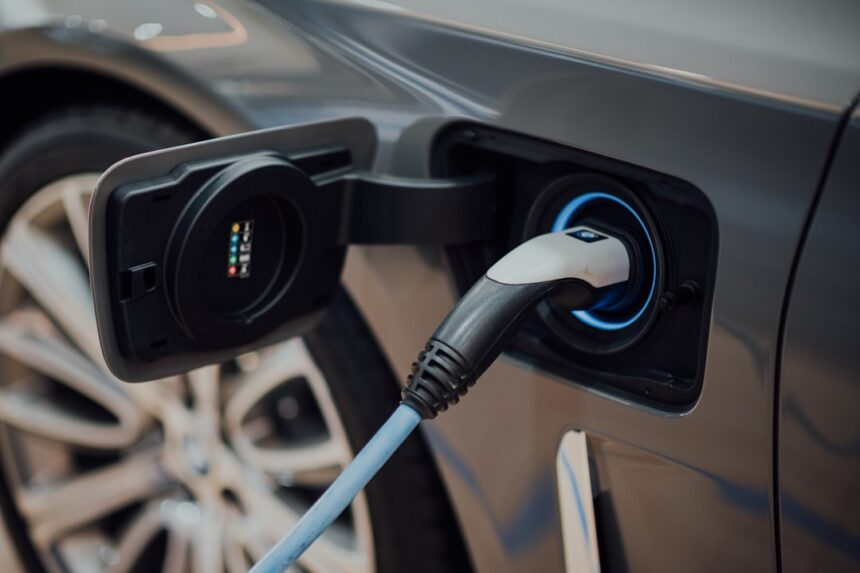
The package targets charger permitting, apartment access, homeowner associations and consumer information as California continues expanding its EV infrastructure.
Gov. Gavin Newsom signed six electric-vehicle and charging bills Sunday that will change parts of California’s permitting, housing and consumer-information rules.
The package includes SB 969, which is intended to speed certain public-charger inspections; SB 1283, which clarifies streamlined permitting for related charger work such as trenching, electrical upgrades, solar canopies and battery storage; and AB 1820, which reduces some permitting barriers and fees for charging projects at apartments and mixed-use developments.
Other measures address homeowner-association charging access, state incentive transparency for zero-emission trucks and information available to consumers about EV batteries.
What it means locally
Orange County has a large concentration of multifamily housing, homeowner associations, commercial centers and automotive companies, so the practical effects are likely to show up in permitting offices, property-management decisions and future charging installations.
The governor’s office says California now has more than 216,000 public and shared charging plugs. It also says second-quarter 2026 zero-emission vehicle sales represented 19.1% of new vehicle sales statewide.
The administration presents the laws as a way to reduce installation delays and expand consumer choice. Costs and implementation will vary by project, housing type and local permitting process.
Sources
Governor of California — September 20 EV legislation announcement