

Federal Ruling Affirms First Amendment Protections For Artists Compelled To Promote Messages Against Their Beliefs
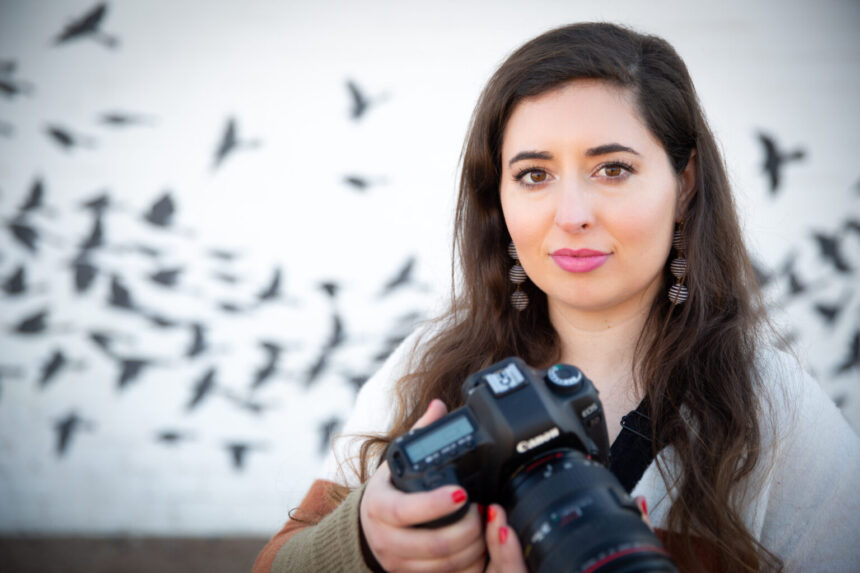
LOUISVILLE, Ky. — The city of Louisville will pay $800,000 in attorneys’ fees after a federal court ruled it violated the First Amendment rights of Christian photographer Chelsey Nelson.
The case, Chelsey Nelson Photography v. Louisville-Jefferson County Metro Government, centered on a local ordinance that would have required Nelson to create photography and blog content promoting same-sex weddings—despite her deeply held religious beliefs about marriage.
ReadMore

Nelson, who owns Chelsey Nelson Photography, filed the lawsuit in 2019 with the help of Alliance Defending Freedom (ADF). She argued the law not only compelled her to produce artistic expression celebrating messages she disagrees with, but also prohibited her from explaining her beliefs about marriage on her own website and social media platforms.
A U.S. District Court agreed, permanently blocking Louisville from enforcing the law against Nelson and awarding nominal damages for restricting her speech. The newly announced $800,000 payment covers attorneys’ fees following her successful challenge.
“The government cannot force Americans to say things they don’t believe,” said ADF Senior Counsel Bryan Neihart. “For nearly six years, Louisville officials attempted to compel Chelsey to promote views about marriage that violated her faith.”
The ruling builds on the U.S. Supreme Court’s landmark decision in 303 Creative v. Elenis, which affirmed that the government cannot compel artists to express messages contrary to their convictions.
In civil rights cases like this, it is common for the government to pay legal fees when it is found to have violated constitutional protections.
At its core, the court reaffirmed a foundational American principle: freedom of speech includes the right not to speak.
A Christian Perspective
Scripture teaches that God created humanity male and female and established marriage as a covenant between one man and one woman. For believers like Nelson, participating in or promoting a message that contradicts that design is not merely professional—it is spiritual.
This case serves as a reminder that standing firm in biblical conviction may come at a cost—but also that truth, when tested, can still find protection in the public square.