

Urgent Call for Leadership as Religious Persecution Rises in China, Cuba, and Beyond
Washington, D.C. — As religious persecution intensifies in countries like China, Cuba, and beyond, the U.S. Commission on International Religious Freedom (USCIRF) is pressing President Donald J. Trump to quickly nominate an Ambassador at Large for International Religious Freedom (IRF) and urging Congress to confirm the appointee without delay.
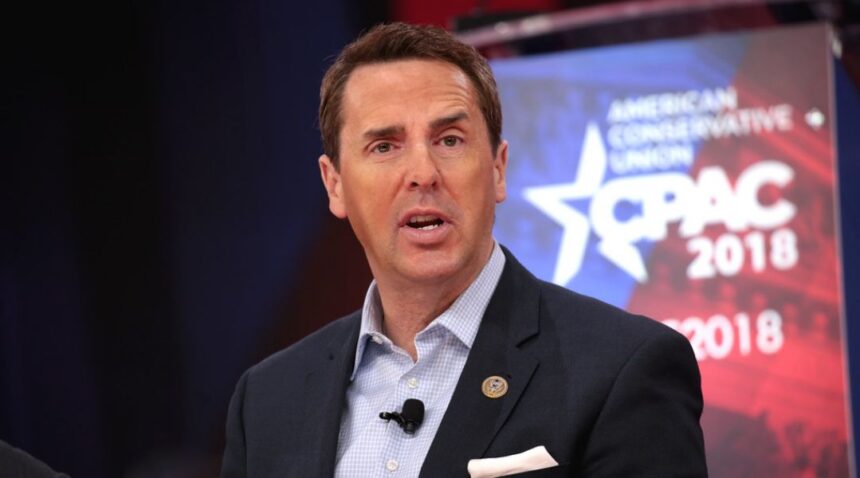
As of mid-May 2026, President Trump has not yet announced a new nominee. The position has been vacant since Mark Walker’s previous nomination (made in April 2025) expired at the end of the year without a Senate vote.
Religious freedom faces severe threats across multiple continents. Authoritarian regimes continue to restrict worship, target minorities, and suppress faith communities, underscoring the urgent need for sustained, high-level U.S. diplomatic leadership.
In China, the government has intensified its “sinicization” campaign, subjecting Christians, Uyghur Muslims, Tibetan Buddhists, Falun Gong practitioners, and other groups to mass surveillance, detention, forced labor, and demolition of churches and mosques.
Cuba maintains strict control over religious activity through harassment, arbitrary arrests, fines, surveillance, and threats against pastors and believers. The island nation remains a long-standing concern for systematic religious freedom violations.
These situations are part of a much larger global crisis. USCIRF’s 2026 Annual Report recommends designating 18 countries as Countries of Particular Concern (CPC), including China, Cuba, North Korea, Iran, Nigeria, and others where millions face imprisonment, violence, or discrimination because of their faith.
“The role of Ambassador at Large for IRF plays a critical role in advancing freedom of religion or belief abroad,” said USCIRF Chair Vicky Hartzler. “Advancing religious freedom protects a fundamental human right that underpins a nation’s security, economic prosperity, and stability, creating hope and opportunity for people across the world.”
The Ambassador at Large leads the State Department’s Office of International Religious Freedom, serves as the principal adviser to the President and Secretary of State on IRF matters, represents the United States diplomatically, and sits as an ex-officio member of USCIRF. The position was created by the International Religious Freedom Act of 1998.
President Trump has taken some important steps, including the designation of Nigeria as a CPC and expanding visa restrictions on severe violators. However, without a confirmed Ambassador in place, the U.S. lacks dedicated senior leadership to consistently drive policy, coordinate international efforts, and respond effectively to growing religious repression worldwide.
Filling this critical vacancy would significantly strengthen America’s ability to confront persecution in places like China and Cuba and reinforce religious freedom as a key pillar of U.S. foreign policy.
Source: U.S. Commission on International Religious Freedom