



Millions Of Men Struggle In Silence—And This May Be The Door To Freedom
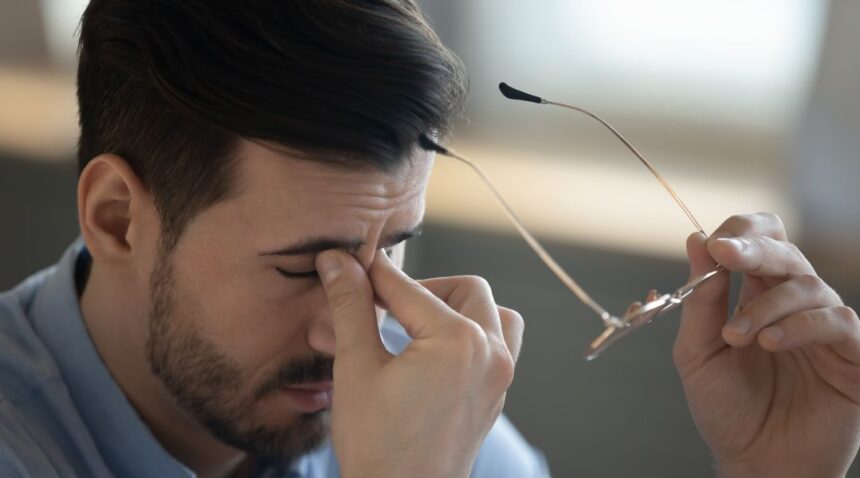
John sat in his truck outside the church parking lot long after the lights had gone out. Hands on the wheel. Only the hum of the engine. He had told himself he was “fine” for months, maybe longer. Work was good, the kids were healthy, nothing you’d point to and say was falling apart. But inside, he felt like he was going to explode.
He didn’t know what to call it. Not sadness. Not exactly anxiety. Just a steady weight he couldn’t shake. Some days it never surfaced at all. Other days, he had a hard time getting out of bed. And like so many men, he had become an Oscar-worthy actor, convincing everyone around him—even himself, that he was okay.
Eventually, he went inside and sat across from a counselor for the first time. That moment—walking through a door he had spent years avoiding—changed more than his week. It reshaped how he understood strength.
John’s story isn’t rare. It reflects a reality many men quietly live each day.
Across the country, millions of men carry similar struggles in silence—but most never walk through that door.
- – Men make up nearly 80% of all U.S. suicides. The male suicide rate is roughly four times higher than the rate for women, according to the Centers for Disease Control and Prevention.
- – A national survey found 72% of men would rather do household chores than go to the doctor according to BetterMind.
- – In 2023, just 17% of American men saw a mental health professional, compared to 28.5% of women, according to Verywell Mind.
These aren’t just statistics; they are people we know and worship with.
Nearly 20% of American adult men—approximately 24.6 million—experienced a mental health condition over the last year. Behind the statistics are men like John: fathers, sons, brothers, coworkers, and friends who have learned somewhere along the way that asking for help is failure, that emotional honesty is weakness, and that “being fine” is what defines a man.
In our work at AGAPE, one truth stands out: isolation isn’t strength—it’s suffering without support. Real strength is the willingness to face what’s actually happening beneath the surface. And counseling isn’t about fixing something broken; it’s about creating space to be fully human again.
That matters now more than ever.
Awareness of men’s mental health is growing, and more men are seeking help than in previous generations. But the gap remains. And when men do not get help, the consequences ripple outward: substance use, broken families, fractured relationships, workplace strain, and, too often, suicide.
This is why counseling matters—not as a last resort or crisis response, but as a normal, healthy part of life. If you’ve been “handling it” on your own for a long time, you don’t have to wait until everything falls apart.
Make the call. Start the conversation.
And if you love someone who is struggling, the most powerful words you may offer are not “be strong,” but “you don’t have to do this alone.”
John eventually stopped ignoring what his body was trying to tell him. He turned the key, drove home, and made a call, not because everything had fallen apart, but because he decided it didn’t have to.
That decision did not make him weaker.
It made him free.