


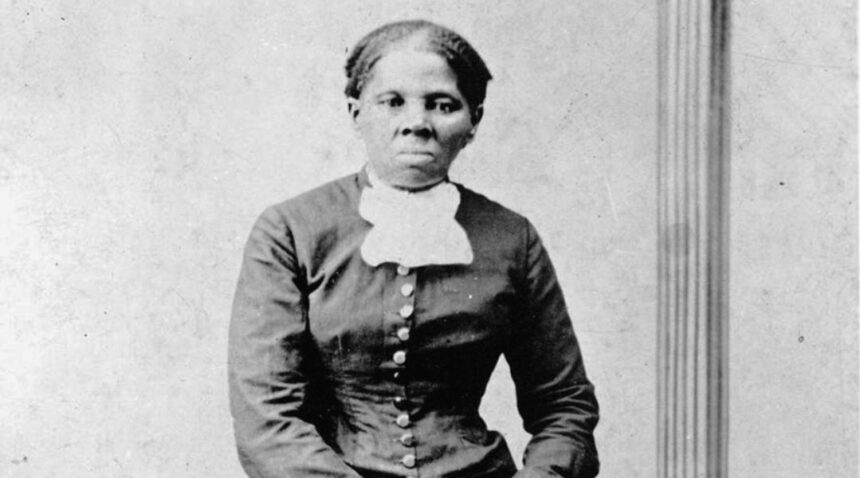
The Fearless Abolitionist Helped Lead Dozens Out Of Slavery And Left A Lasting Mark On America’s Story
As the United States approaches its 250th anniversary, the life of Harriet Tubman stands as one of the most powerful examples of courage, faith, and sacrifice in the nation’s history.
Born into slavery in Maryland around 1822, Tubman endured abuse and hardship throughout her early life. Despite the dangers that surrounded her, she escaped north to freedom in Pennsylvania at about age 27. Yet for Tubman, freedom for herself alone was not enough.
ReadMore

Driven by a deep faith in God and a conviction that others deserved the same liberty she had found, Tubman repeatedly returned to the South to help enslaved men, women, and children escape through the Underground Railroad.
A Conductor Of Freedom
Traveling mostly at night and often during the winter months to avoid detection, Tubman navigated through forests, rivers, and rugged terrain, frequently using the North Star as a guide. Each journey carried enormous risk. Capture could have meant imprisonment, brutal punishment, or death.
Over the course of more than a dozen rescue missions, Tubman helped lead nearly 70 enslaved individuals to freedom, including members of her own family. Her courage and leadership earned her the nickname “Moses,” a reference to the biblical leader who led the Israelites out of bondage.
Reflecting later in life on her missions, Tubman famously said she had “never ran my train off the track” and “never lost a passenger.”
Serving During The Civil War
When the American Civil War began in 1861, Tubman again stepped forward to support the fight against slavery.
She served the Union cause as a nurse caring for wounded soldiers and displaced families. Later, she worked as a scout and spy, using her knowledge of Southern terrain and secret travel routes to provide valuable intelligence to Union forces.
Her work helped advance the broader effort to end slavery and preserve the Union.
A Legacy Of Faith And Freedom
After the war, Tubman continued serving others, dedicating much of her life to helping the poor and elderly in her community. She remained a powerful symbol of faith-driven courage and perseverance.
Tubman died on March 10, 1913, leaving behind a legacy rooted in the belief that every person is created with inherent dignity and deserving of freedom.
More than a century later, her story continues to inspire Americans, reminding the nation that the pursuit of liberty has often required extraordinary courage—and individuals willing to risk everything for the freedom of others.