


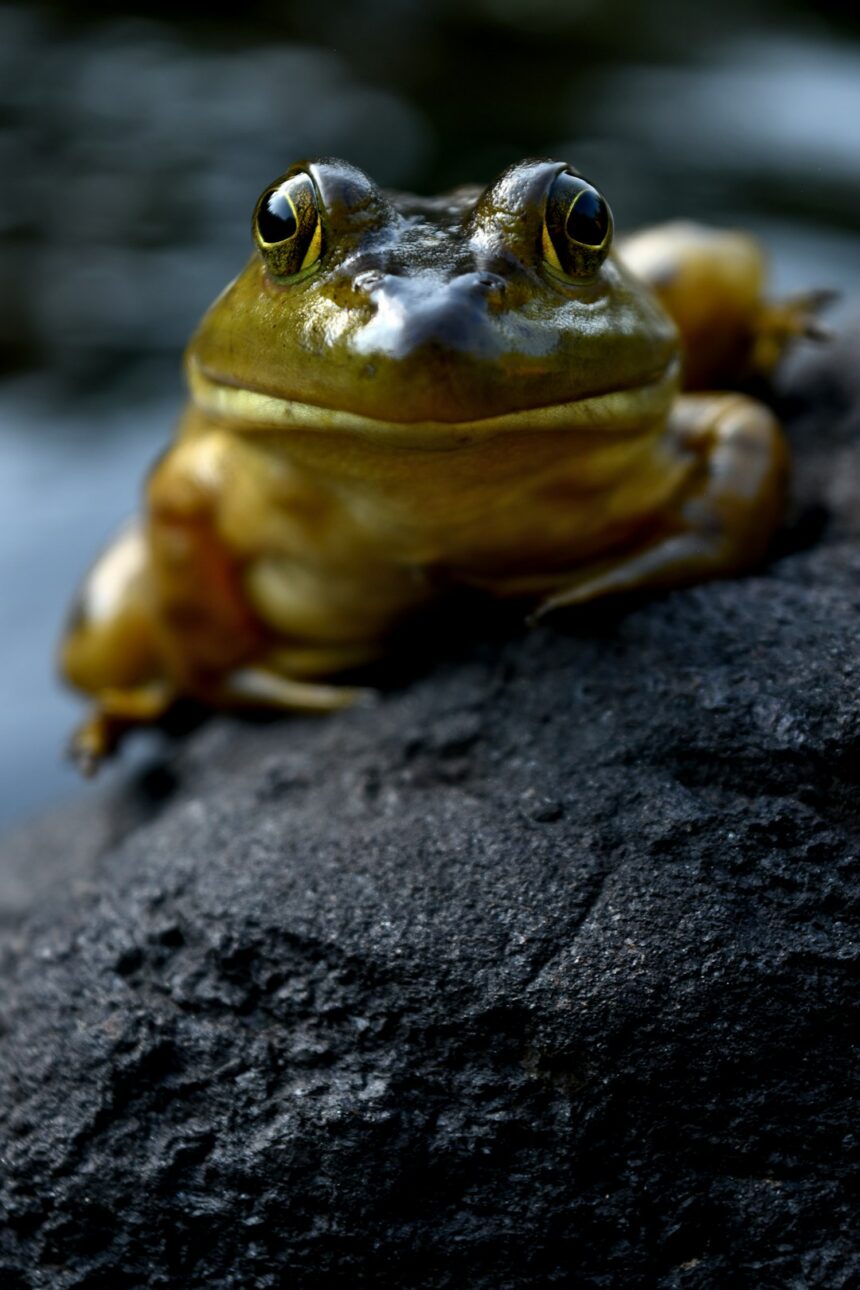
The Aquarium of the Pacific raised 394 of the 653 southern mountain yellow-legged frogs recently returned to San Gabriel Mountain streams.
A tiny endangered frog is marking a major conservation milestone for the Aquarium of the Pacific.
Approximately 653 southern mountain yellow-legged frogs were recently released into their native habitat in the San Gabriel Mountains. Of those, 394 were raised at the Long Beach aquarium.
The latest release brought the aquarium’s total contribution to more than 1,000 frogs returned to the wild through its recovery program.
Raising frogs for life in the wild
The aquarium participates in a conservation practice known as headstarting. Young frogs are raised in a carefully controlled environment during a vulnerable stage of development, giving them time to grow before being released.
The goal is not to produce animals for permanent aquarium display. It is to prepare stronger frogs for life in mountain streams where researchers are working to rebuild wild populations.
The August release was completed through a broader partnership involving the Aquarium of the Pacific, Los Angeles Zoo, U.S. Geological Survey and other conservation agencies.
A species facing overlapping threats
Southern mountain yellow-legged frogs were once common in Southern California’s mountain waterways. Their numbers collapsed because of disease, habitat disruption, drought, wildfires and predation by introduced species.
One of the most serious threats is chytrid fungus, which affects amphibians’ skin and can interfere with their ability to absorb water and regulate essential bodily functions.
Releasing hundreds of frogs does not mean the species is no longer in danger. Recovery requires repeated releases, habitat protection and long-term monitoring to determine whether returning frogs survive and reproduce.
Still, each successful release expands the possibility of establishing self-sustaining populations in places where the frogs once thrived.
The aquarium’s complete announcement and photographs from the release are available through its official conservation report.