

The 7–2 emergency decision keeps existing state election systems in place while leaving questions about future Postal Service regulations unresolved.
The Supreme Court has rejected the administration’s emergency request to impose new mail-ballot restrictions during the 2026 midterm elections.
The unsigned September 14 order left a lower-court injunction in place, allowing states to continue using their existing mail-voting procedures while ballots are already being distributed.
Justices Samuel Alito and Clarence Thomas publicly dissented. Justice Brett Kavanaugh agreed that the restrictions should not take effect for this election but indicated that the administration could have a stronger argument if the issue returns under different circumstances.
The ruling is not a final decision resolving every question about federal authority over ballot mail.
What the Postal Rule Required
The disputed plan grew from an executive order issued by President Trump and regulations proposed by the U.S. Postal Service.
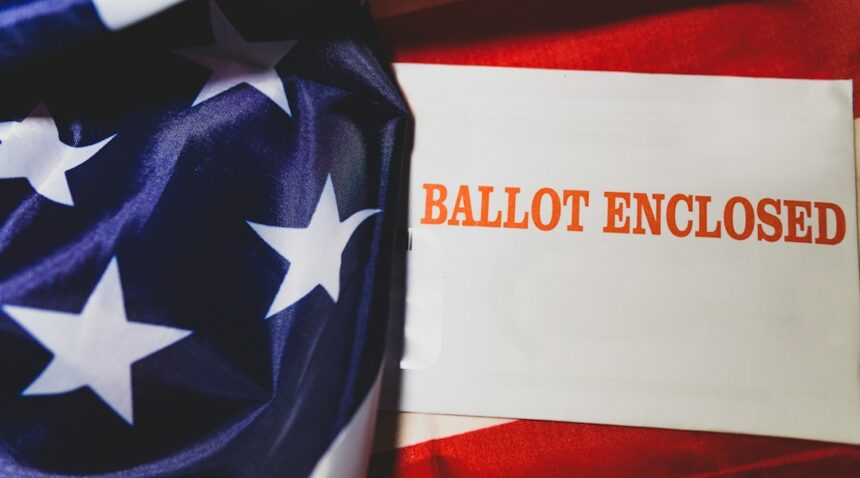
States would have been required to use approved ballot-envelope designs, including a designated logo, compatible formatting and voter-specific barcodes. They also would have submitted voter information and ballot designs through a new federal online portal.
Ballot mail from states that did not comply could have been returned rather than delivered.
The administration described the changes as commonsense election-security measures. State officials and voting-rights groups argued that the unfinished portal, new production requirements and short timeline could prevent lawful voters from receiving or returning ballots.
Alabama, North Carolina and Wisconsin had already begun sending mail ballots when the Supreme Court acted.
A Narrow Election-Year Decision
Lower courts had blocked the proposed requirements, concluding that the administration was unlikely to prevail and that election systems could be disrupted if the rules changed immediately.
The Supreme Court’s majority likewise said the administration’s effort to apply the restrictions this year would most likely fail in court, though its short order offered limited reasoning.
Alito argued that the Postal Service possesses broad authority to regulate the mail and criticized the injunction. Kavanaugh’s separate position suggested that future Postal Service regulations could receive a different reception if adopted with sufficient time and lawful procedures.
That distinction matters. The Court did not hold that every attempt to regulate ballot mail is unconstitutional. It declined to permit this particular system to take effect while voting was already underway.
Why This Matters
Nearly one-third of American voters use mail ballots. Election rules therefore must protect both security and lawful access.
Fraud, double voting and ineligible voting should be investigated when supported by evidence. At the same time, eligible voters should not lose ballots because of last-minute technical rules that election offices cannot reasonably implement.
Frequent procedural changes can also undermine confidence, especially when voters believe the rules are being rewritten to favor one party.
The Court’s order should therefore be understood narrowly: existing procedures remain in place for the midterms, while broader litigation over presidential and Postal Service authority may continue.
THRIVE! Perspective
Proverbs 11:1 condemns dishonest scales, while Deuteronomy 16:19 warns against partiality in judgment.
Applied to elections, those principles require accurate procedures, equal treatment and honest administration regardless of which party expects to benefit. Fraud should not be ignored, and eligible voters should not lose lawful ballots through arbitrary or selectively enforced rules.
Christians should resist claims that every safeguard constitutes suppression or that every procedural concern proves fraud. Truth requires examining the evidence, applying rules impartially and refusing to treat election administration as merely another partisan weapon.