


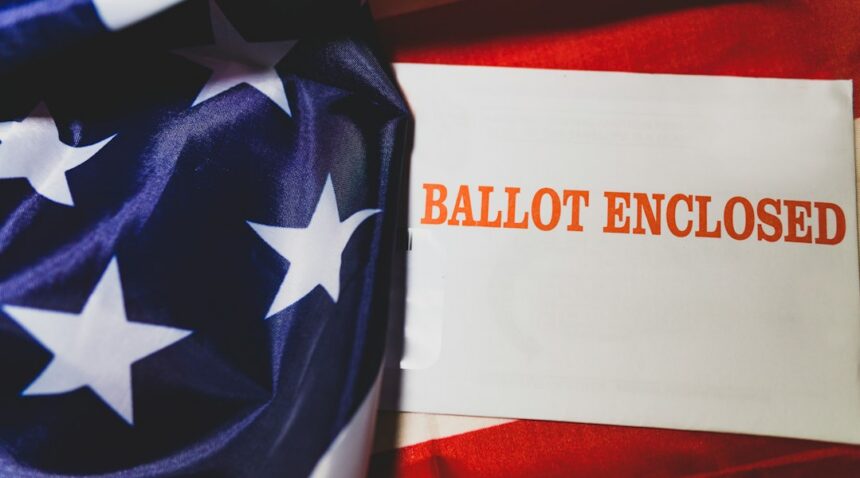
The ruling says the Postal Service likely exceeded its authority, placing the lawful route to election reform at the center of the dispute.
A second federal judge has blocked new mail-voting restrictions advanced by President Trump’s administration, adding another legal obstacle as the Supreme Court considers a related appeal.
U.S. District Judge Carl Nichols issued a preliminary injunction preventing the U.S. Postal Service from implementing requirements that states submit voter-eligibility information and receive approval for election-mail procedures.
The administration says the rules are intended to strengthen election security and prevent ballots from being delivered improperly. Opponents argue that the Postal Service lacks authority to impose election requirements on states and that implementation close to the midterm elections could prevent lawful ballots from being delivered or counted.
A Second Court Intervenes
Nichols’ decision follows a September 4 ruling from U.S. District Judge Indira Talwani, who also blocked the requirements. The Supreme Court is considering the administration’s request to intervene in that case.
The latest ruling does not determine whether stronger safeguards for mail voting are desirable. It addresses who has the legal authority to impose those safeguards and whether the Postal Service followed the proper process.
Election administration has traditionally been handled by states and local governments within requirements established by the Constitution and federal law. Congress also possesses authority over federal elections, but courts have questioned whether that power was delegated to the Postal Service in the manner asserted by the administration.
Justice Department attorneys contend that the rules would not displace state election laws or prevent eligible Americans from voting. The challengers argue that the requirements would force states to redesign procedures after election preparations are already underway.
Security and Lawful Authority
Secure elections require accurate voter rolls, protected ballots, reliable chains of custody and procedures that can be audited. They also require government agencies to operate within the authority granted to them.
Those responsibilities should reinforce one another. A security measure imposed without clear legal authority can be overturned, creating confusion and weakening public confidence. At the same time, procedural disputes should not become an excuse to ignore legitimate vulnerabilities.
THRIVE! previously covered an earlier court decision involving the Postal Service’s proposed mail-ballot rules. The new ruling is a material development because another federal judge has independently concluded that the current requirements likely cannot take effect as written.
Why This Matters
Americans should not have to choose between election access and election integrity. Every lawful ballot should be protected, and every election rule should be adopted through lawful authority with enough time for secure implementation.
Last-minute changes can create operational failures even when their stated purpose is legitimate. Congress, state legislatures and election officials should address documented weaknesses before voting begins and provide clear accountability for compliance.
THRIVE! Perspective
Proverbs 11:1 affirms honest measures, while Romans 13:1 reminds civil authorities and citizens that government operates under lawful order.
Election security is foundational to representative government. Necessary reforms should be prompt, thorough and legally durable—protecting every lawful vote while preventing fraud, administrative failure and unauthorized changes to election procedures.