


Seven Republicans joined Democrats in directing the president to remove U.S. forces from unauthorized hostilities, but the House action alone does not end the conflict.
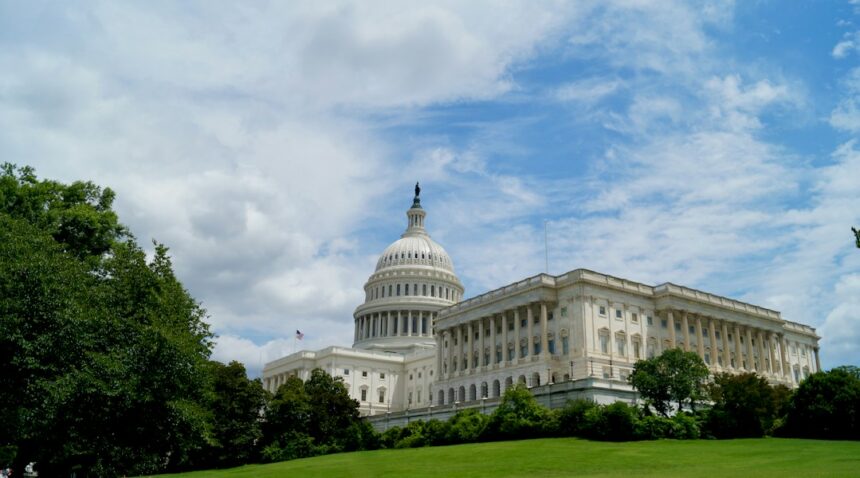
The U.S. House voted 220–204 late Tuesday to direct President Trump to remove American forces from hostilities with Iran that Congress has not authorized.
Seven Republicans joined all voting Democrats in supporting the war-powers resolution. Nine House members were absent.
The measure invokes Section 5(c) of the War Powers Resolution, the 1973 law intended to limit sustained military action without congressional approval.
The vote is politically significant, but it does not by itself end the fighting. The Senate would have to act, and questions remain about whether the two chambers could agree on an enforceable measure or overcome opposition from President Trump.
A Conflict Approaching Seven Months
President Trump launched military operations against Iran on February 28. The conflict has continued for nearly seven months, with periods of reduced activity followed by renewed missile strikes and other fighting.
The administration and its supporters say Iran remains an active threat to the United States and its allies. Opponents argue that a conflict of this duration and scale requires explicit authorization from Congress.
The financial cost is also rising. The Congressional Budget Office estimated that Defense Department operations had cost approximately $38 billion through August 1.
CBO projected that each additional month could cost roughly $2 billion if violence remained comparatively limited or $3 billion if fighting returned to July’s intensity. Those estimates do not include every federal expense or every long-term economic consequence.
The war’s human cost reaches beyond budget figures. American service members and their families live with the risks of every mission, as illustrated by the recent rescue of an injured Air Force officer who survived nearly 50 hours behind enemy lines.
Congress Reasserts Its Constitutional Role
The Constitution divides war powers between the legislative and executive branches. Congress holds the authority to declare war and fund military operations, while the president serves as commander in chief.
Presidents of both parties have long claimed substantial authority to conduct limited military operations without a formal declaration of war. Congress has repeatedly struggled to enforce meaningful limits once a conflict is underway.
Supporters of the resolution say the House is fulfilling its constitutional responsibility by demanding a vote on an extended war. Opponents warn that withdrawing authority during active hostilities could endanger U.S. forces and weaken pressure on Iran.
Similar House resolutions approved earlier this summer did not end the conflict. The Senate briefly approved its own measure before reversing course, leaving the legal and political path forward uncertain.
Why This Matters
War decisions affect service members, military families, civilians abroad, taxpayers and the broader economy. They also test whether constitutional safeguards remain meaningful during a crisis.
A serious debate must acknowledge both the government’s duty to confront genuine threats and Congress’ responsibility to examine objectives, costs and an achievable end state.
The House vote does not settle those questions. It does show that bipartisan concern is growing as the conflict continues and Americans prepare to vote in the midterm elections.
THRIVE! Perspective
Romans 13:4 recognizes civil government’s authority to restrain wrongdoing, including through force when necessary. Scripture does not, however, treat every use of force as automatically wise or righteous.
Proverbs 15:22 teaches that plans fail without counsel but succeed with many advisers. A conflict of this magnitude requires truthful information, constitutional accountability and sober consideration of consequences.
Christians can disagree about military strategy without questioning one another’s faithfulness. They should pray for American service members, innocent civilians and government leaders—and ask God to replace pride, fear and political calculation with wisdom and a just peace.