


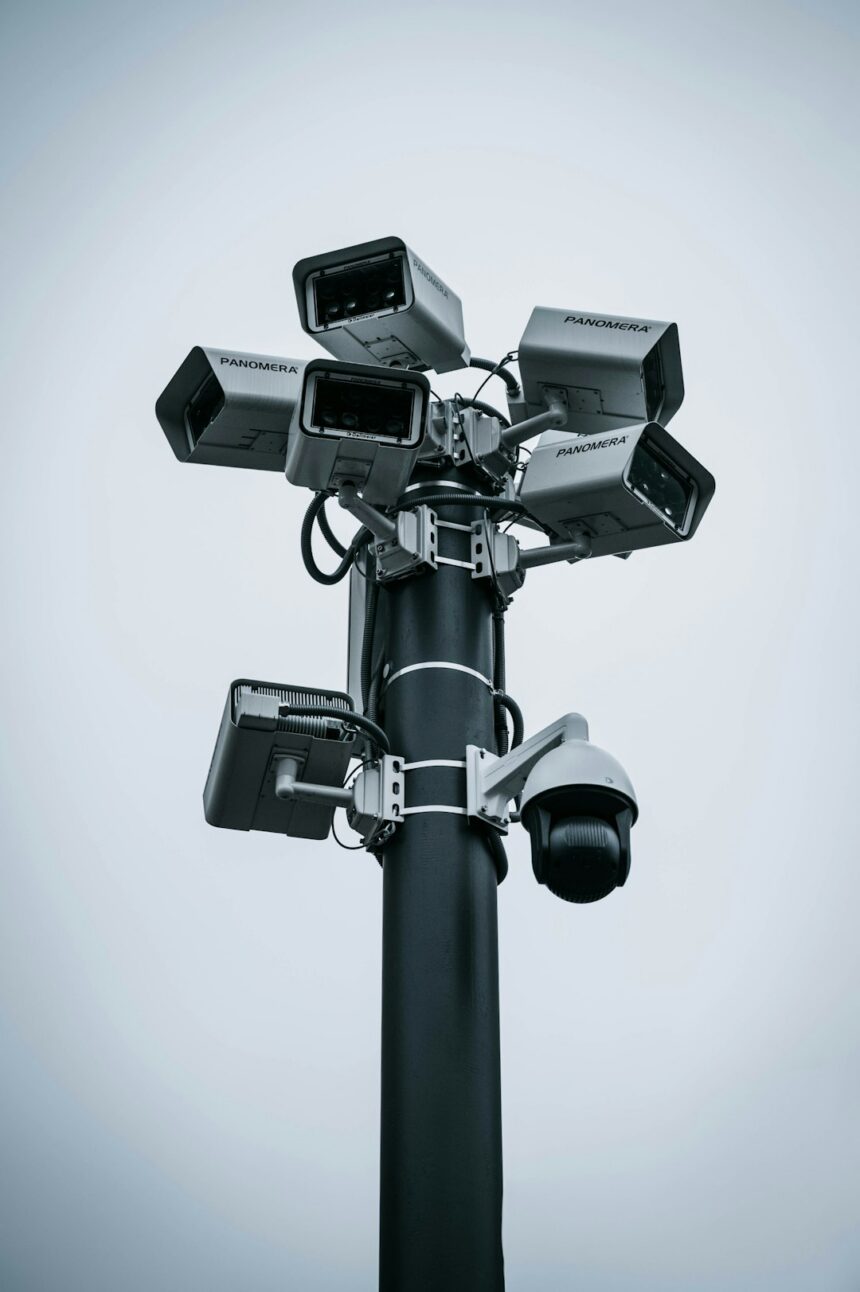
Residents and two councilmembers are seeking answers about data retention, outside searches and whether the technology has delivered promised public-safety results.
Santa Ana officials are facing growing pressure to review the city’s automated license-plate-reader program after residents raised concerns about privacy, federal access and the lack of a promised public report on the system’s effectiveness.
Santa Ana operates 24 Flock Safety cameras. According to information reported by Voice of OC, the system detected more than 1.3 million unique vehicles during a recent 30-day period and retains collected data for one year.
Calls for an audit
Councilwoman Jessie Lopez has requested a council review that could include ending the active contract. Councilman Ben Vazquez is also calling for an audit.
Their requests follow reports that a Northern California fusion center searched Santa Ana’s license-plate database on behalf of agencies within the Department of Homeland Security.
Those reported searches require further review of the underlying audit logs. Santa Ana Police Chief Robert Rodriguez had not publicly answered questions about them in the latest reporting.
Supporters point to public safety
Supporters of the cameras argue that automated readers can help officers locate stolen vehicles, identify wanted suspects and investigate crimes while making more efficient use of limited police staffing.
Councilman Phil Bacerra defended the technology when the contract was approved in 2025, arguing that safeguards were in place and that cameras could help officers respond more effectively.
The council approved a Flock contract valued at up to $211,000 and a separate Motorola license-plate-reader contract approaching $500,000.
Questions residents deserve answered
Santa Ana officials should release the system’s audit logs, retention settings, sharing permissions and effectiveness data before deciding whether to continue the program.
Residents also need to know which agencies accessed Santa Ana information, what justification was entered for each search and whether the city’s stated restrictions were followed.
The city’s ALPR information page provides camera-location and policy information. A future council review will determine whether existing safeguards are adequate—or whether the contracts should be restricted or ended.