


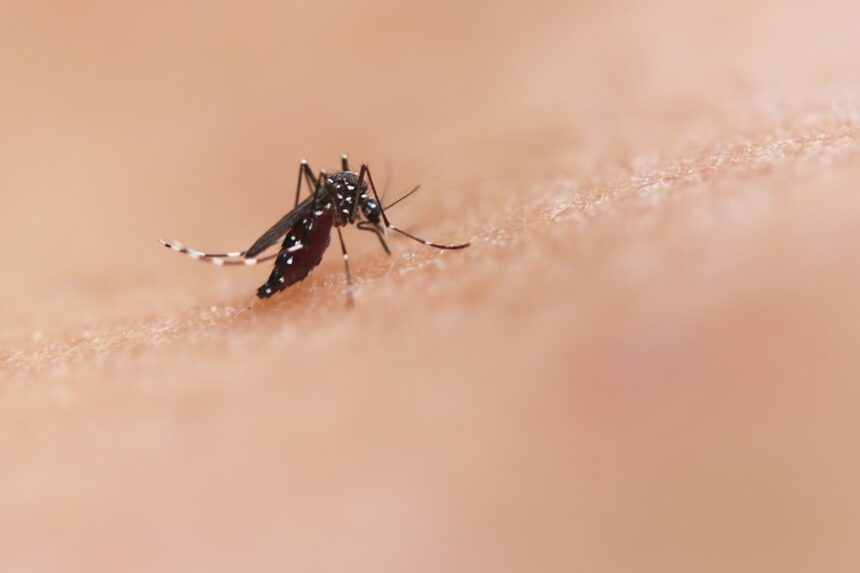
Sixteen Long Beach residents have been hospitalized as health officials urge the public to protect against mosquito bites.
Long Beach has reported 21 confirmed and probable human cases of West Nile virus so far in 2026, a sharp increase from the single case recorded in the city last year.
According to the Long Beach Department of Health and Human Services, 15 of the 21 cases are classified as neuroinvasive, the more serious form of the illness. Sixteen patients have been hospitalized. No deaths have been reported.
Who Is Being Affected
The city’s latest data, updated Sept. 3, shows an average patient age of 66. Ten cases involve men and 11 involve women. Long Beach has already recorded more cases this year than in most years since the city began publishing the annual figures shown on its West Nile virus page.
West Nile virus is spread primarily through the bite of an infected mosquito. Most infected people do not develop symptoms, but some experience fever, headache, body aches or rash. A small percentage can develop serious neurological illness.
How Residents Can Reduce Risk
Long Beach health officials recommend using an EPA-registered insect repellent, wearing protective clothing when practical, repairing window and door screens, and removing standing water around homes where mosquitoes can breed.
Residents should also empty water from flowerpots, buckets, pet bowls and other containers regularly. Mosquito activity can remain significant during warm late-summer and early-fall weather.
Why It Matters Locally
The 2026 case count is a reminder that mosquito-borne illness is not only a concern in tropical climates. West Nile virus is established in Southern California, and older adults and people with certain underlying health conditions can face greater risk of severe disease.