

With parental permission, students leave campus for privately funded biblical instruction led by churches and trained volunteers.
A Christian ministry is helping parents enroll their children in voluntary Bible classes held off campus during the public-school day—a practice protected by longstanding Supreme Court precedent when constitutional boundaries are followed.
Bible2School uses a model known as released-time religious instruction. Parents choose whether their children participate, and enrolled students leave school property to attend classes at a nearby church or another private location.
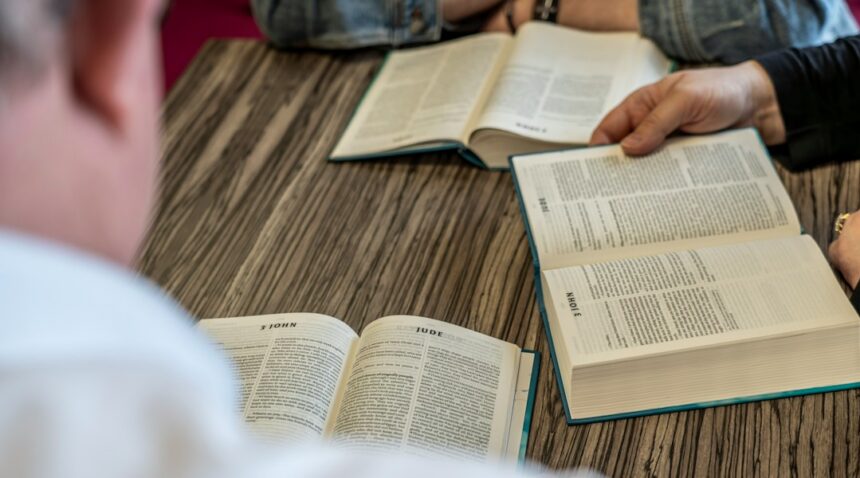
The public school does not teach the course, determine its biblical content or use taxpayer funds to operate it. Bible2School says trained volunteers lead students through Bible stories, worship, prayer and age-appropriate activities before the children return to school.
The ministry reports that thousands of students participate in its programs. That participation figure comes from Bible2School and has not been independently audited.
How Released-Time Bible Classes Work
The distinction between voluntary off-campus instruction and school-sponsored religious teaching is essential.
Bible2School identifies three central requirements for released-time programs:
- Instruction must take place away from public-school property.
- Parents must give permission for their children to participate.
- Taxpayer funds cannot be used to provide the religious instruction.
Local and state requirements may also affect how an individual program operates.
The legal foundation reaches back to the Supreme Court’s 1952 decision in Zorach v. Clauson. The Court upheld a New York program that released students, with written parental permission, to attend privately funded religious instruction away from school grounds.
The decision distinguished that arrangement from an earlier program struck down because religious instruction occurred inside public-school classrooms. Under the released-time model, schools accommodate a family’s voluntary choice without becoming responsible for teaching or promoting a particular faith.
What Parents and Churches Should Ask
A constitutionally permissible structure does not eliminate the need for careful oversight.
Parents should ask what curriculum is being taught, how volunteers are screened, how children are transported and what safety procedures are in place. Churches should ensure that instruction is biblically faithful and that participation remains genuinely voluntary.
Students who do not participate should never be pressured or stigmatized. Families should also understand clearly that the religious content comes from a private Christian ministry—not the public-school district.
A weekly class should support, rather than replace, the continuing responsibility of parents and local churches to disciple children.
Why This Matters
Many Christian parents want their children to receive biblical instruction while respecting the proper constitutional boundaries of public education.
Released-time programs offer one way for families and churches to assume that responsibility directly. The model demonstrates that religious freedom involves more than keeping government from establishing a religion. It also protects the ability of families to practice and teach their faith voluntarily.
The question echoes a recent THRIVE! feature on how children are continually being formed by the influences around them.
THRIVE! Perspective
Parents carry the primary responsibility for their children’s spiritual formation, and the Church is called to teach God’s Word. Released-time programs provide a lawful way for families to choose biblical instruction without requiring the public school to provide it or compelling other students to participate.
This model protects both parental rights and religious liberty while allowing churches to fulfill their responsibility to disciple the next generation (Deuteronomy 6:6–7; Mark 10:14).