

The October 16 order invokes national-interest authority while leaving other sanctions measures in place.
President Trump signed an executive order October 16 waiving major sanctions and tariff provisions of a new law targeting Russia.
The order implements the Lindsey O. Graham Sanctioning Russia and Iran Act of 2026, which President Trump signed September 18.
It invokes the law’s waiver authority and states that the administration submitted a certification and report to Congress explaining why the waivers serve U.S. national interests.
The affected provisions include duties on Russian goods and penalties connected to purchases of Russian oil and natural gas. The order also directs officials to monitor energy purchases and sanctions evasion and recommend further action when appropriate.
The waivers do not eliminate every U.S. restriction involving Russia. The order expressly preserves sanctions and other measures under specified existing executive orders.
Ukrainian President Volodymyr Zelenskiy criticized the decision, arguing that it benefits Russia and encourages further aggression, Reuters reported.
Russia welcomed the move, while lawmakers from both parties criticized the decision, The Washington Post reported.
The action follows the administration’s effort to expand Russian diesel exports as part of its response to high energy costs. Critics say easing pressure on Moscow undermines support for Ukraine.
Under the order, the waivers remain effective until the president or designated officials determine that further action is appropriate.
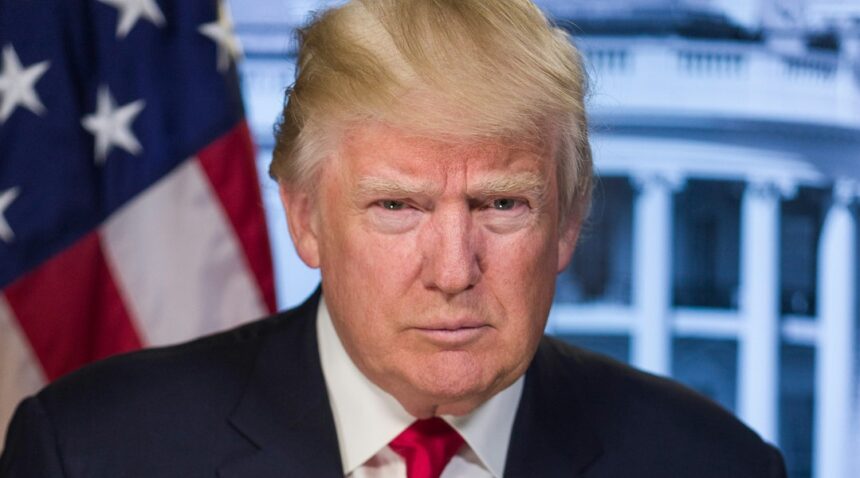
Featured image: President Trump, file photograph. Photo by Library of Congress on Unsplash.
Related: Bipartisan senators challenge President Trump’s Russian diesel deal.