


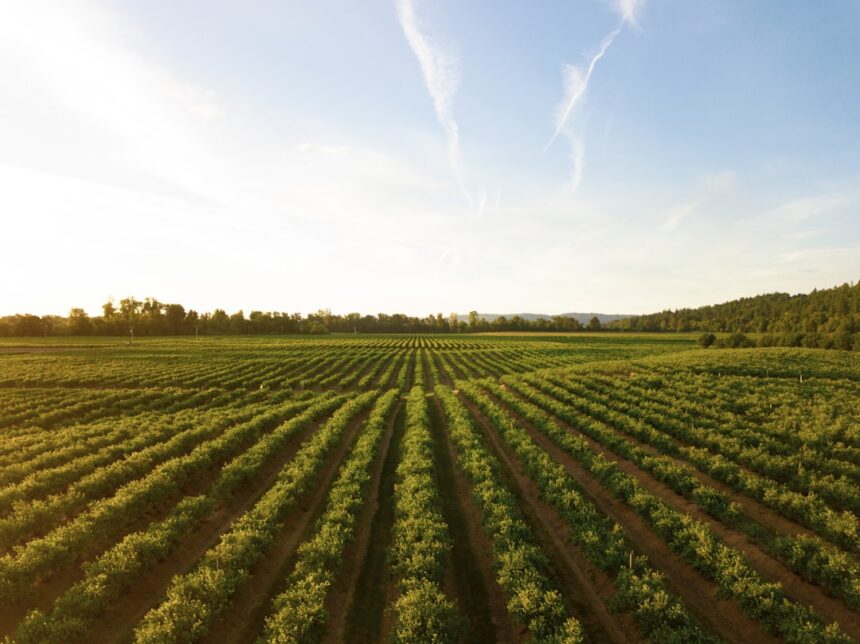
Regenerative agriculture is bringing farmers, faith communities and conservation groups together around healthier soil, stronger communities and a renewed sense of stewardship.
Across the Midwest, farmers are experimenting with practices designed to restore soil health while reducing erosion and dependence on costly inputs. For some, the work is also becoming an expression of faith.
An Associated Press report follows farmers and religious communities connecting regenerative agriculture with spiritual purpose, community resilience and care for the land.
What Regenerative Farming Looks Like
There is no single legal definition of regenerative agriculture. The term commonly includes cover crops, diverse crop rotations, reduced tillage, managed grazing and other practices intended to keep living roots in the ground and rebuild organic matter.
Supporters say healthier soil can hold more water, reduce erosion and make farms more resilient during droughts and heavy rain. The U.S. Department of Agriculture also promotes many of these practices through its soil-health and conservation programs.
The transition can take time. Farmers may face new equipment costs, uncertain short-term yields and the challenge of learning what works on a specific piece of land. That makes local knowledge, financial support and patient experimentation important.
Faith, Community and Different Traditions
The AP account includes people drawing from several spiritual traditions. Their beliefs are not interchangeable, and THRIVE! should not blur those differences.
Biblical creation stewardship begins with the conviction that the earth belongs to God and that human beings are called to cultivate and keep what He has made. Genesis presents work in the garden as a responsibility given before the fall, while Psalm 24 declares that “the earth is the Lord’s.”
That framework differs from treating nature itself as divine. Christians may share practical conservation goals with neighbors of other beliefs while grounding their care for creation in worship of the Creator.
Why It Matters
Soil loss, farm debt and rural isolation are not abstract problems. They affect food prices, family farms and the strength of small communities.
Regenerative practices are not a guaranteed answer for every farm, and claims about environmental benefits should be tested carefully. But the movement is asking an important question: can agriculture remain productive while leaving the land healthier for the next generation?
THRIVE! Perspective
Good stewardship is neither exploitation nor worship of creation. It is grateful, disciplined care for resources entrusted to us.
Farmers who improve soil, protect water and strengthen their communities reflect a biblical principle that reaches beyond agriculture: faithfulness means leaving what we have been given better prepared to serve those who come after us.