


The justices gave 12 states until September 25 to respond to an unusual bid by Iowa and Montana to halt an antitrust lawsuit challenging the proposed $110 billion combination.
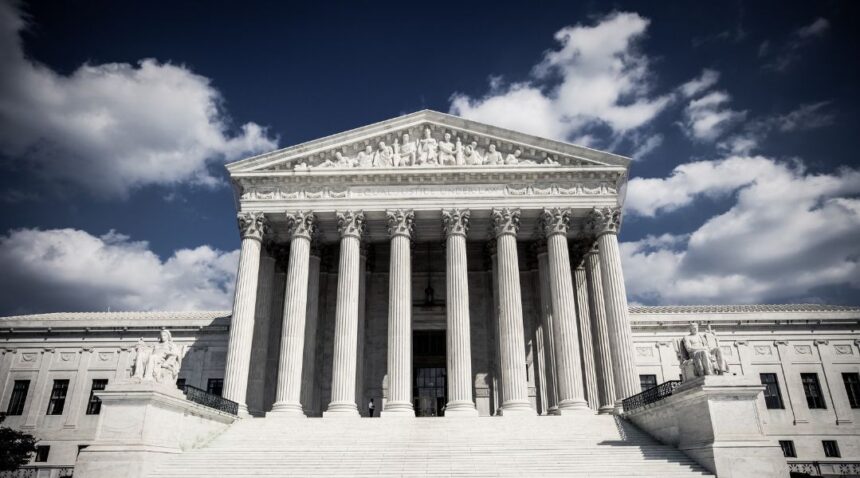
WASHINGTON — The U.S. Supreme Court has set a September 25 response deadline in the interstate legal fight surrounding Paramount Skydance’s proposed acquisition of Warner Bros. Discovery.
The brief September 9 order advances the paperwork in an unusual case filed directly at the Supreme Court by Iowa and Montana. It does not mean the justices have agreed to hear the dispute, approved the merger or ruled that the antitrust challenge is valid or invalid.
The Court’s official docket says the responding states may file answers by September 25 to Iowa and Montana’s motion for permission to bring an original action before the justices.
How the Merger Fight Reached the Supreme Court
Paramount agreed earlier this year to acquire Warner Bros. Discovery for $31 per share in a transaction valued at approximately $110 billion, according to court filings. The combination would bring two major Hollywood studios, more than 50 basic-cable channels, three subscription streaming services and major television-production operations under one corporate owner.
In July, a California-led coalition of 12 states sued Paramount and Warner Bros. Discovery in federal district court under Section 7 of the Clayton Act. The states argue that the transaction would reduce competition in film distribution, television licensing and other media markets, potentially leading to higher prices and fewer choices.
Paramount disputes those claims and argues that a combined company would compete more effectively with larger streaming and technology businesses. The U.S. Justice Department cleared the transaction, but the multistate lawsuit and a separate challenge by the Writers Guild of America remain pending.
A federal judge initially issued a temporary restraining order. The companies later agreed not to close or begin integrating operations until five days after a ruling on the merits of the pending cases or June 1, 2027, whichever comes first. A trial is scheduled for March 2027.
Iowa and Montana Seek an Unusual Interstate Remedy
Iowa and Montana filed directly with the Supreme Court on August 25. Their proposed complaint asks the justices to stop Arizona, California and 10 other states from pursuing the district-court antitrust case, declare that the merger does not violate the Clayton Act and rule that the responding states may not obtain an injunction against it.
The two applicant states say the delayed transaction harms businesses, employees and their state economies. They also argue that the Constitution gives the Supreme Court a mandatory role in disputes between states.
The responding states reject that argument. In their September 4 filing, they contend that the Supreme Court has discretion over original interstate cases and that the federal district court is already the proper forum for resolving the underlying antitrust claims.
The filing also argues that Iowa and Montana are attempting to litigate the private interests of two corporations rather than a direct sovereign injury to their states.
What the Supreme Court Has—and Has Not—Done
The September 9 order establishes an accelerated deadline for the states opposing Iowa and Montana’s request. It does not grant Iowa and Montana permission to file their complaint, pause the district-court proceedings or signal how any justice views the merger.
After the September 25 responses are filed, Iowa and Montana may submit a reply. The justices can then decide whether to allow the original action to proceed. The Court often resolves such procedural requests without hearing oral argument.
That distinction matters because headlines saying the Supreme Court has “taken” the case could give readers the false impression that the justices have agreed to decide whether the merger is lawful. They have not.
Billions Ride on the Timing
The merger agreement increases the amount Warner Bros. Discovery shareholders would receive by 25 cents per share for every 90-day quarter beginning September 30, prorated through closing. Paramount has characterized the resulting increase as roughly $7 million per day and says prolonged litigation could cost it more than $1 billion.
Paramount is separately asking the district court to require the states and the Writers Guild to post a $1.88 billion bond to protect against losses if the company ultimately prevails. A hearing on that request is scheduled for September 24, according to Reuters.
The opposing states say the added consideration was voluntarily negotiated as part of the acquisition agreement and does not create an emergency requiring the Supreme Court to intervene.
Why This Matters
The proposed combination would reshape the American media business, affecting movie studios, streaming platforms, cable networks, news operations, creative workers and consumers.
The legal dispute also raises a less familiar constitutional question: when one group of states believes another group is improperly using state enforcement power against a national transaction, when—if ever—should the Supreme Court intervene directly rather than allow an existing federal trial to proceed?
For now, the merger remains paused, the district-court cases remain active and the Supreme Court has made no decision on the merits.
THRIVE! Perspective
Free enterprise depends on both the freedom to build and clear laws that preserve genuine competition. A merger of this scale should be evaluated through evidence, consistent legal standards and due process—not partisan assumptions about the companies or the officials involved.
Proverbs 18:17 warns that the first account can appear right until it is examined. That is a useful guardrail here. Supporters and opponents of the ParaBros deal are making consequential claims, but the courts have not yet resolved them.
Readers should distinguish a procedural deadline from a judicial ruling and allow the facts and legal arguments on both sides to be tested openly.
Sources
- U.S. Supreme Court: Iowa and Montana v. Arizona, et al., docket No. 22O164
- Responding states’ opposition to expedited consideration
- Deadline: Paramount-WBD antitrust fight heads to the Supreme Court
- Associated Press: Paramount delays Warner buyout during states’ challenge
- Reuters: Paramount’s bond dispute with California-led coalition