


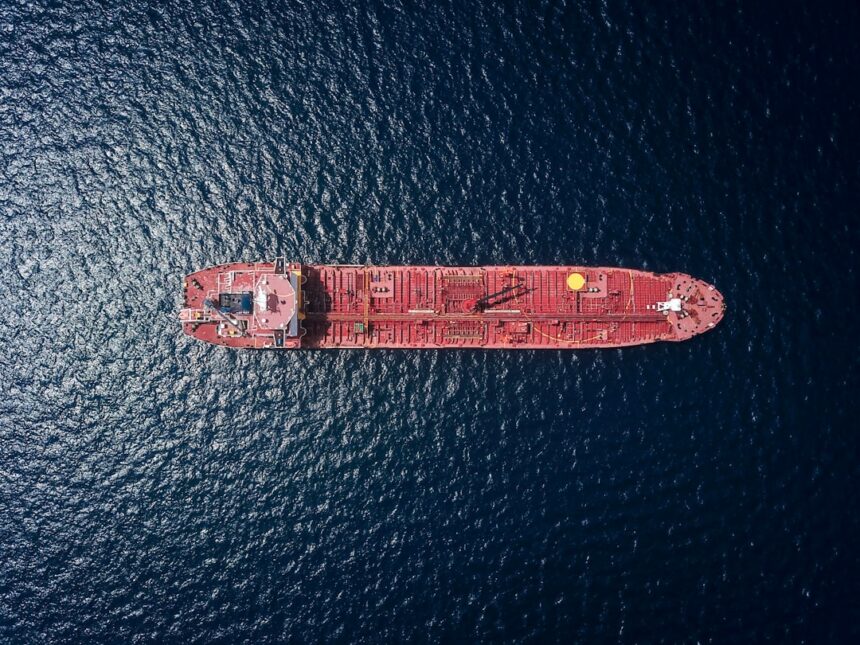
Escalating confrontation between the United States and Iran is again putting one of the world’s most important energy corridors at the center of global attention, with Tehran warning that regional energy infrastructure could be vulnerable and oil prices climbing as shipping risks increase around the Strait of Hormuz.
Reuters reported Monday that Iranian officials signaled plans for a new restricted maritime zone near the Strait of Hormuz after another round of clashes involving U.S. and Iranian forces. The strait is a critical route for oil and liquefied natural gas moving out of the Persian Gulf, meaning even partial disruptions can quickly affect energy prices far beyond the Middle East.
Brent crude traded around $97 per barrel Monday and briefly moved above $98 as investors weighed the risk of further supply disruptions. Reuters also reported that global markets were under pressure as higher oil prices revived concerns about inflation, transportation costs and the possibility that central banks could keep interest rates higher for longer.
Why the Strait of Hormuz Matters
The narrow waterway between Iran and Oman is one of the most strategically important shipping routes in the world. Gulf exporters depend heavily on it to move crude oil, petroleum products and natural gas to global markets. As a result, conflict near Hormuz can quickly become an economic story for American families, businesses, churches and nonprofits as fuel and transportation costs rise.
The latest developments come amid a conflict that has already reshaped energy flows and security calculations across the region. Gulf states are increasingly looking for alternate export routes while diplomatic efforts continue to struggle to produce a lasting de-escalation.
THRIVE! has followed the conflict closely, including earlier surges in gas prices tied to the Iran war, President Trump’s address to the nation on the conflict and efforts to contain the wider regional fighting.
Why This Matters to People of Faith
For Christians, this is not only a geopolitical or financial story. Millions of ordinary people live beneath the decisions being made by governments and military leaders. Escalation threatens civilian life, regional stability, vulnerable religious communities and the ability of humanitarian organizations to reach people in need.
The financial consequences also matter. Rising energy prices can increase the cost of food, transportation and nearly every product that moves through a supply chain. Families on tight budgets feel those increases first, while churches and ministries can see both operating costs rise and charitable giving come under pressure.
THRIVE! Perspective
Scripture does not give Christians a simple formula for resolving modern international conflicts, but it repeatedly calls believers to pray for leaders, pursue peace and remember the human beings affected by war.
First Timothy 2:1–2 urges believers to pray “for kings and all those in authority” so that people may live peaceful and godly lives. Jesus also said, “Blessed are the peacemakers” (Matthew 5:9).
That does not require ignoring aggression or pretending difficult security decisions do not exist. It does mean Christians should resist treating war as entertainment or reducing entire nations to political abstractions. Prayer for wisdom, restraint, justice and the protection of innocent life is especially urgent when military escalation and economic pressure begin reinforcing one another.