

The 262–159 vote advances penalties targeting Russian revenue and gives the president additional tariff authority over major buyers of Russian energy.
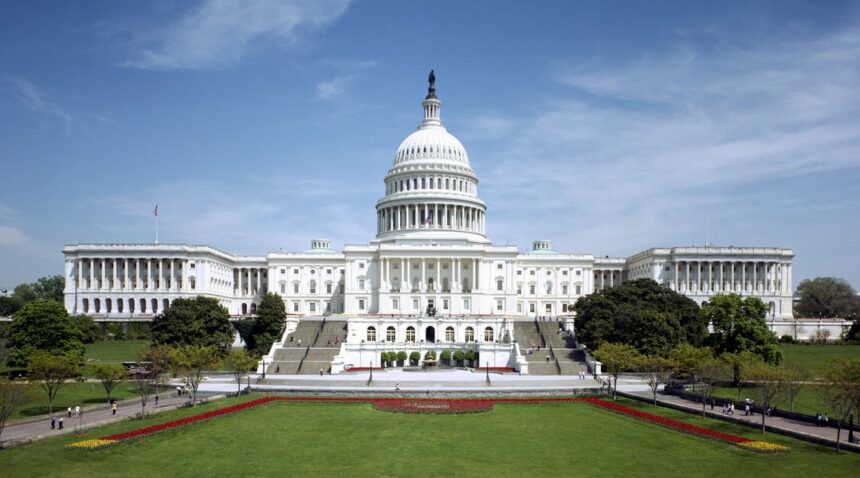
The House of Representatives passed a broad Russia sanctions package September 16, sending President Trump legislation intended to increase economic pressure over Moscow’s war against Ukraine.
The measure passed 262–159 after winning Senate approval 86–11 in August. It combines sanctions against Russian interests with potential tariffs on major purchasers of Russian energy.
The legislation’s passage marks a significant congressional decision, but its practical consequences depend on presidential action and how its provisions are implemented. Associated Press reporting.
Targeting the Revenue Behind the War
The legislation seeks to restrict financial resources available to Russia through penalties involving officials, banks and energy commerce.
A particular target is the network of tankers used to keep Russian petroleum moving despite existing restrictions. Supporters describe this “shadow fleet” as an important means of evading sanctions.
Senate Foreign Relations Committee Chairman Jim Risch said provisions addressing those vessels would strengthen efforts to restrict Russia’s energy revenue. His September 17 statement characterized the bill as a response to Russian aggression and the countries and networks enabling it.
The package also contains tariff authority reaching major importers of Russian oil and natural gas. Tariffs could rise as high as 100%, subject to the legislation’s conditions and exceptions. Reuters reporting.
Bipartisan Support and Disagreement
Supporters argue that additional economic pressure could reduce Moscow’s ability to finance the war and strengthen Ukraine’s position in negotiations.
Sen. Jeanne Shaheen, the Foreign Relations Committee’s ranking Democrat, urged President Trump to sign the measure and use its authorities to pursue negotiations toward a lasting peace. Her September 16 statement emphasized Russia’s energy earnings and Ukraine’s security.
The vote nevertheless exposed disagreements about the tools the bill provides.
Some opponents warned that expanded tariff powers could affect American allies and raise costs for consumers. The dispute includes both the intended pressure on Russia and the wider consequences of measures applied to its trading partners.
Those concerns leave implementation central to the story: authority written into legislation and penalties actually imposed are different stages of policy.
What Happens Next
House passage sends the measure to President Trump. Congressional approval alone does not establish that every sanction or tariff has taken effect.
The administration’s decisions, any applicable exceptions and the response of affected governments and companies will shape the outcome.
The vote also comes amid wider congressional debate over American involvement abroad. THRIVE! previously covered the House resolution challenging unauthorized U.S. hostilities with Iran.
Why This Matters
Economic sanctions connect foreign policy with banking, shipping, energy and trade. Their effects can extend beyond the officials and institutions they are designed to influence.
For readers, the next developments to watch are the president’s action, implementation decisions and evidence of whether the measures change Russia’s behavior.
The human stakes remain substantial: civilians living through war, families displaced from their homes and communities trying to preserve ordinary life.
THRIVE! Perspective
Romans 13:4 describes civil authority’s responsibility to restrain wrongdoing. Matthew 5:9 calls peacemakers blessed. Together, these passages invite serious attention to both justice and peace.
Scripture does not prescribe the details of a sanctions package. Evaluating a particular measure requires evidence about its design, effectiveness and consequences.
The Church’s responsibilities remain immediate: pray for those suffering, support trustworthy relief efforts and remember believers and neighbors living amid violence. Hope in Jesus Christ can sustain compassionate service while governments debate how to respond.