


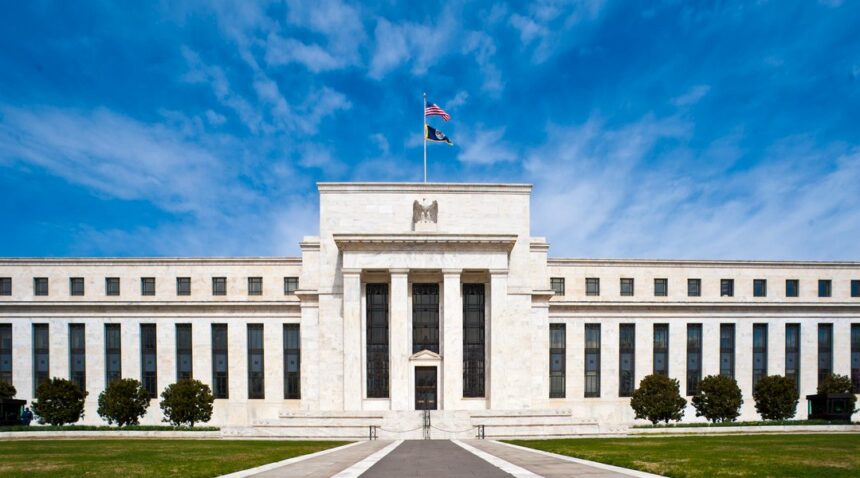
The unanimous quarter-point increase raises the benchmark target to 3.75%–4%, with consequences for borrowers, savers and small businesses.
The Federal Reserve raised its benchmark interest rate September 16 for the first time since 2023, stepping up its response to persistent inflation.
The Federal Open Market Committee voted 12–0 to increase the federal funds target range by one-quarter percentage point to 3.75%–4%.
In its official statement, the committee said inflation remained elevated and described the increase as supporting a return to its 2% goal.
The decision changes the financial environment facing households and businesses, although its effects will vary according to the type of loan, savings account or investment involved.
Why Policymakers Raised Rates
The Fed described economic activity as expanding steadily, with resilient spending, strong productivity growth and robust investment.
It also said job gains had kept pace with the workforce and that unemployment had changed little.
Those conditions accompanied continuing concern about prices. The central bank’s challenge is to bring inflation down while pursuing its employment responsibilities.
Fed officials’ projections indicated the possibility of another increase later this year, according to Associated Press reporting. Projections describe policymakers’ expectations; they do not commit the committee to a particular future vote.
What Changes for Borrowers
The federal funds rate concerns overnight lending between banks. Its influence reaches households through broader credit conditions.
Many variable-rate loans and credit lines respond relatively quickly to changes in short-term rates. That can mean additional costs for people carrying credit-card balances and businesses using floating-rate financing.
Longer-term borrowing is more complicated. Mortgage rates reflect expectations about inflation, economic conditions and future policy, rather than moving automatically by the exact amount of a Fed decision. The Fed explains these channels in its monetary-policy overview.
An existing fixed-rate mortgage does not acquire a higher interest rate because of Wednesday’s announcement. Adjustable-rate borrowers face changes according to their individual loan terms.
A Different Effect for Savers
Higher interest rates can improve returns on savings accounts and newly issued certificates of deposit, although banks do not necessarily pass along the full increase or change rates immediately.
That creates different experiences within the same economy. A household borrowing to cover expenses may face greater pressure while a saver receives a better return. Reuters’ borrower and saver explainer.
Businesses must also weigh financing costs against expected demand when considering equipment purchases, expansion or hiring.
Why This Matters
Interest rates affect decisions that shape daily life: buying a home, replacing a vehicle, financing a business and managing accumulated debt.
Inflation creates its own burden by reducing purchasing power. The policy question involves both pressures and the consequences of efforts to bring prices under control.
For readers following THRIVE!’s inflation coverage, the increase is a material development. The next question is how inflation and employment evolve after it.
THRIVE! Perspective
Proverbs 21:5 connects diligent planning with wise stewardship. First Timothy 6:17–19 warns against placing ultimate hope in wealth and calls those with resources to generosity.
Those principles remain relevant through changing economic conditions. Careful planning, honest business practices and concern for neighbors matter when borrowing becomes more expensive.
A household’s worth is not measured by its balance sheet. Churches can respond to financial pressure with practical care and encouragement, while helping people remember that security in Jesus Christ reaches beyond any interest-rate cycle.