


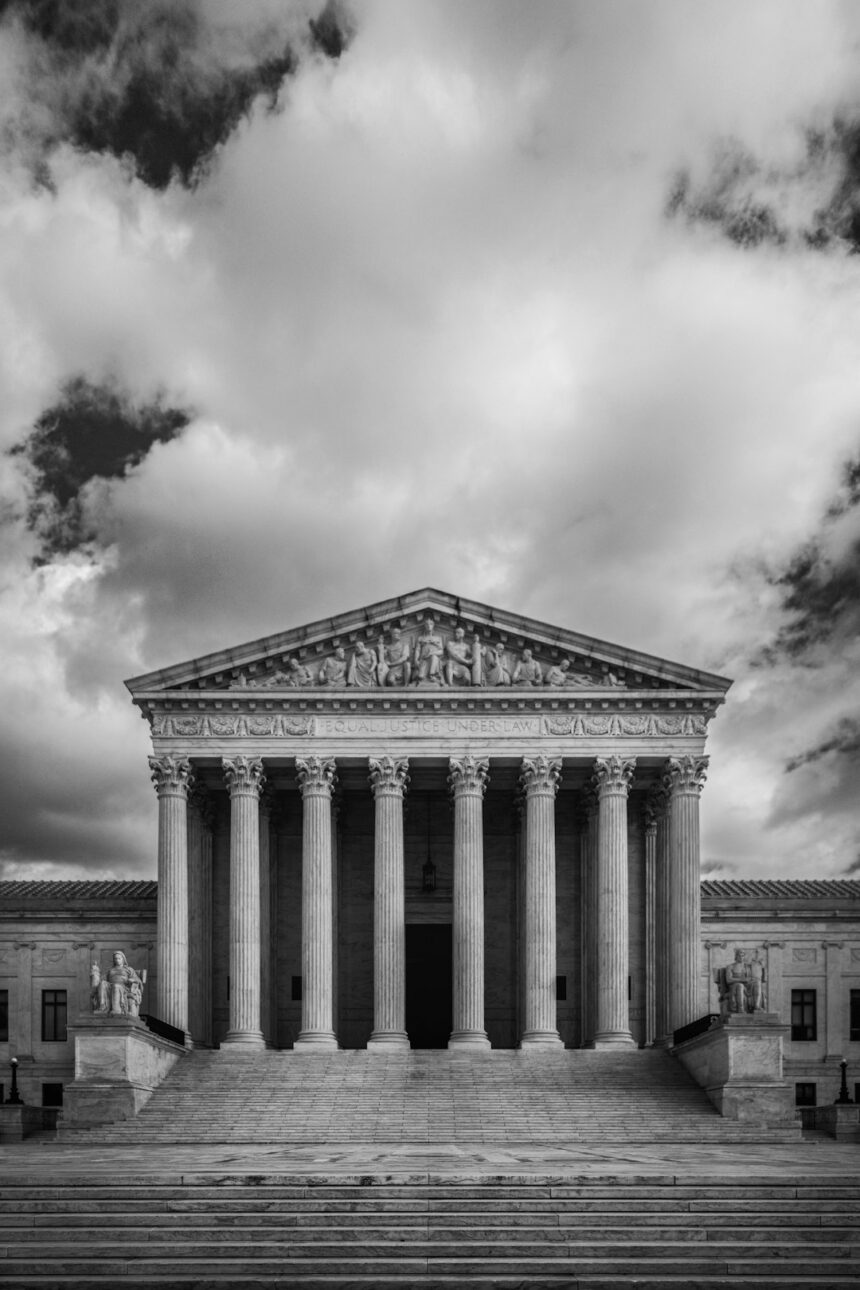
The 6–3 interim order pauses lower-court restrictions while the justices consider the legality of the administration’s deportation policy.
The U.S. Supreme Court on Tuesday allowed the Trump administration to resume deporting some migrants to countries other than their countries of origin while a legal challenge proceeds.
The 6–3 order temporarily lifts a lower-court ruling that had barred removals under the policy. Justices Sonia Sotomayor, Elena Kagan and Ketanji Brown Jackson dissented.
The Supreme Court is scheduled to hear arguments over the policy in December. The order does not resolve whether the administration’s third-country deportation policy is ultimately legal.
Dispute Over Notice and Safety
The case arose after U.S. District Judge Brian Murphy ruled that the Department of Homeland Security’s policy was unlawful because migrants were not being given an adequate opportunity to raise fears of persecution or torture before removal to a third country.
The administration argues third-country deportations are necessary when a migrant’s home country will not accept that person and has defended the policy as an important immigration-enforcement tool. Attorneys challenging the policy argue migrants may be sent to unfamiliar countries where they could face serious harm without a meaningful opportunity to object.
Reuters reports that more than 25,000 migrants have been deported to 29 countries under the policy since it was implemented.
What Comes Next
The policy may operate while the Supreme Court considers the case. Oral arguments are expected in December, with a final decision to follow.