


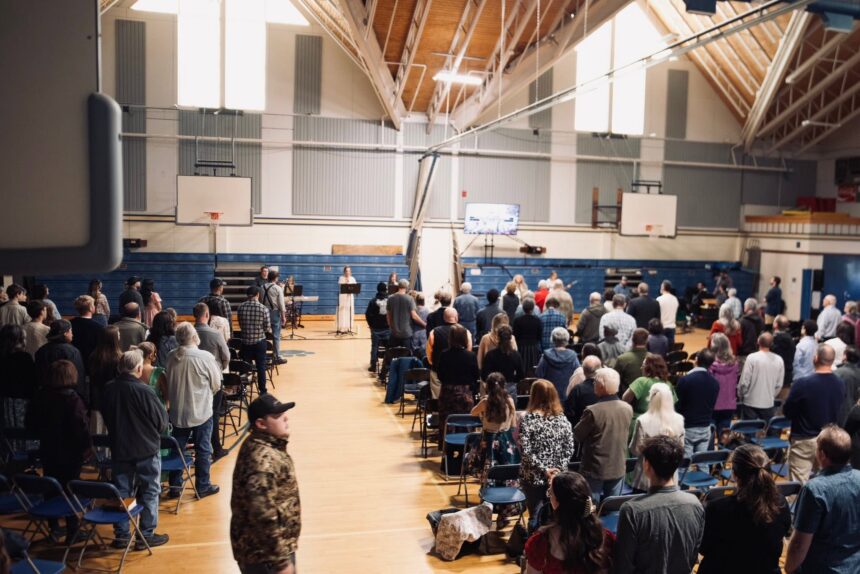
Calvary Chapel Belfast files 122-page amended complaint alleging the University of Maine System rescinded its winning property bid after backlash over the church’s Christian beliefs
A Maine church is continuing its federal religious-discrimination lawsuit against the University of Maine System, filing an amended complaint alleging university officials improperly rescinded its winning bid for a former education center following public opposition to the church’s Christian beliefs.
Liberty Counsel filed the 122-page amended complaint on behalf of Calvary Chapel Belfast in U.S. District Court in Maine on September 17. The church alleges that the University of Maine System violated its rights under the First and Fourteenth Amendments when it canceled the initial bidding process for the Hutchinson Center in Belfast and subsequently awarded the property to another bidder.
The university has denied that religious bias motivated its decision. Courts considering the church’s earlier requests for emergency relief have so far declined to find that the church demonstrated a likelihood of success on its constitutional claims.
Church Initially Selected as Winning Bidder
The dispute dates to the summer of 2024, when the University of Maine System selected Calvary Chapel Belfast as the winning bidder for the Hutchinson Center, giving the church the opportunity to negotiate a purchase of the property.
The proposed sale quickly generated public opposition. The First Circuit Court of Appeals later described the reaction as a “swift and loud public outcry” against the prospective sale to the church.
Following administrative appeals from two unsuccessful bidders, university officials concluded that the original evaluation criteria were flawed, canceled the award and began a new bidding process.
Calvary Chapel argues that explanation masks what actually occurred.
According to Liberty Counsel, the university’s chief procurement officer initially rejected protests from the losing bidders, but Vice Chancellor for Finance and Administration Ryan Low subsequently reversed course and revoked the award.
The amended complaint alleges that the decision came amid pressure from donors, community members and a state legislator who objected to the church and its religious beliefs. Liberty Counsel argues that the university effectively transformed private hostility toward the church into government action.
University Cites Problems With Original Process
The University of Maine System has offered a different explanation.
University officials have maintained that the first procurement process contained deficiencies unrelated to religion, including how costs associated with relocating the Networkmaine internet hub housed at the property were evaluated.
UMS then conducted a second bidding process. The Hutchinson Center was ultimately awarded to Waldo Community Action Partners, which offered $3.06 million — more than $1 million above any other bid and nearly $2 million more than the church’s offer, according to the federal district court.
Courts Previously Denied Preliminary Relief
Calvary Chapel initially sought emergency court intervention preventing the university from proceeding with another purchaser.
A federal district judge denied the church’s request for a temporary restraining order in January 2025 and later denied its request for a preliminary injunction in May 2025.
The church appealed.
On June 30, 2026, the First Circuit Court of Appeals affirmed the preliminary-injunction decision. The appellate court concluded that, based on the record before it at that stage, the district court had not erred in finding that Calvary Chapel failed to demonstrate a likelihood of success on its Equal Protection and Free Exercise claims.
That ruling did not end the underlying lawsuit or constitute a final determination of the church’s claims.
Case Moves Forward
The case now returns to the district court, where the parties can proceed through discovery and litigation on the merits.
Liberty Counsel is seeking to have Calvary Chapel restored as the awardee from the university’s original bidding process.
“Calvary Chapel Belfast rightfully won the University of Maine System’s first bidding process earning the right to negotiate for the sale, but the university unlawfully withdrew that opportunity,” Liberty Counsel founder and chairman Mat Staver said.
Staver maintains that the church participated in the process in good faith before UMS changed course following community backlash.
The case raises a broader constitutional question with implications beyond Maine: whether a government institution may reverse a competitive decision because of opposition to the religious beliefs of the organization that prevailed.
For churches and other faith-based organizations that participate in public contracting and property transactions, the eventual outcome could provide further guidance on where constitutional protections against religious discrimination intersect with government procurement decisions.